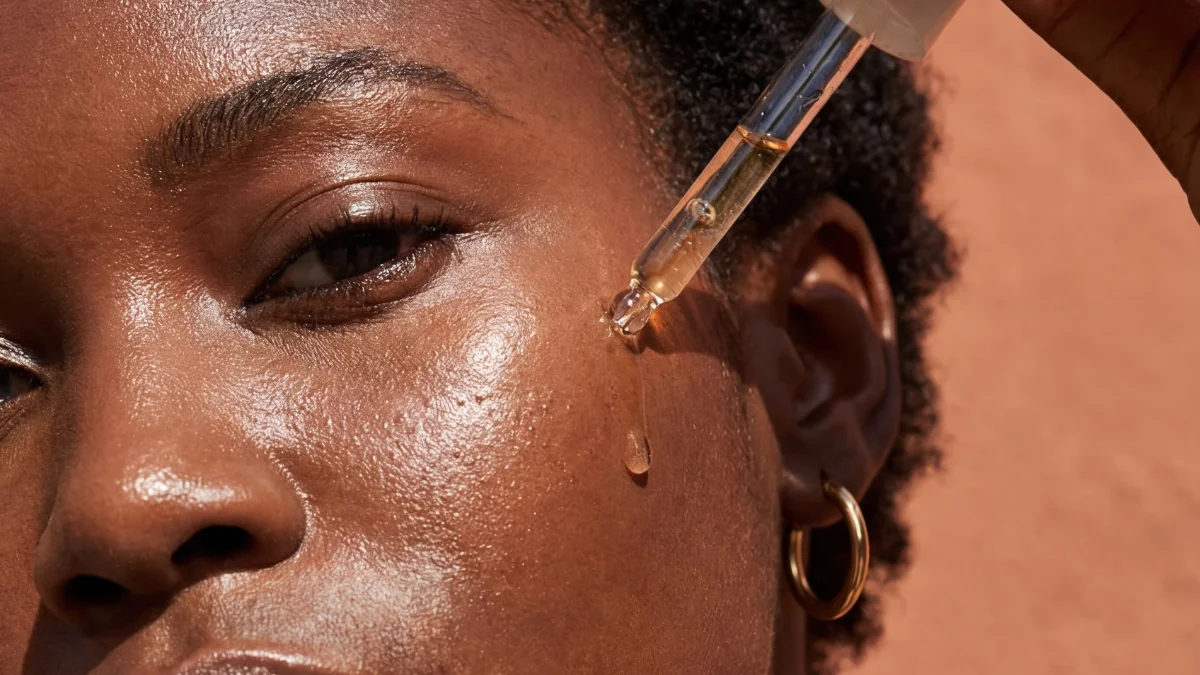
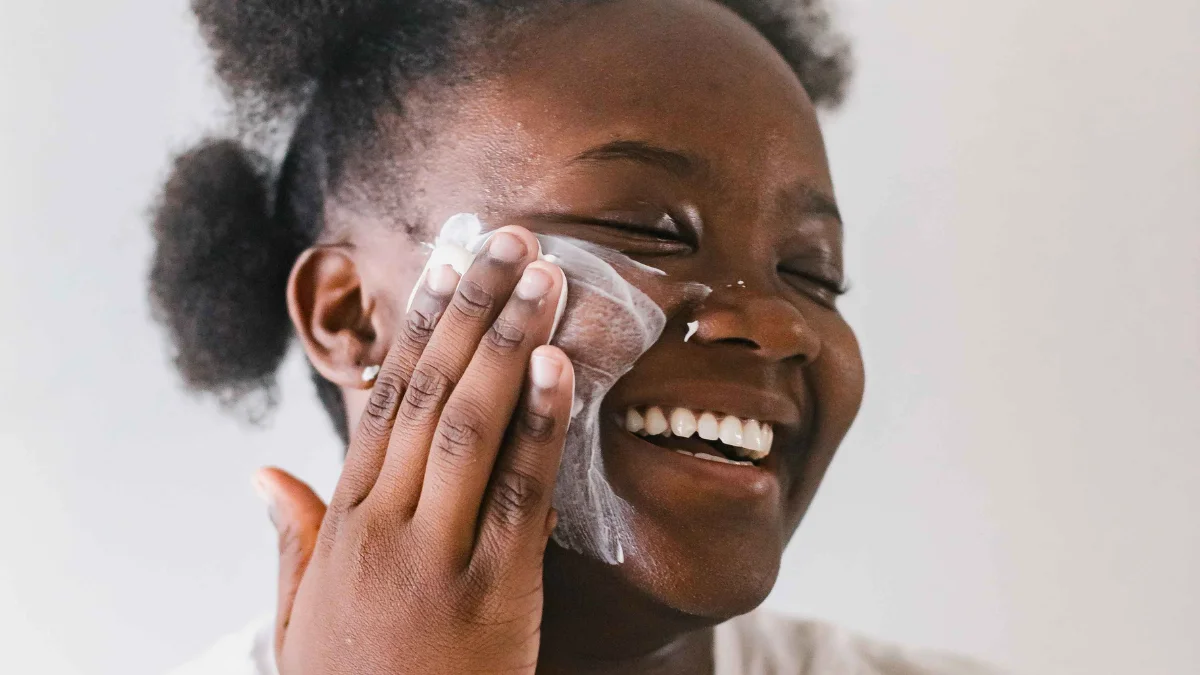
A lot of advice around dark spots isn't written with melanin-rich skin in mind, and that gap matters.
Skin with more melanin is generally more prone to hyperpigmentation, especially after breakouts, irritation or injury. This is called post-inflammatory hyperpigmentation, and it can last longer than the spot that caused it.
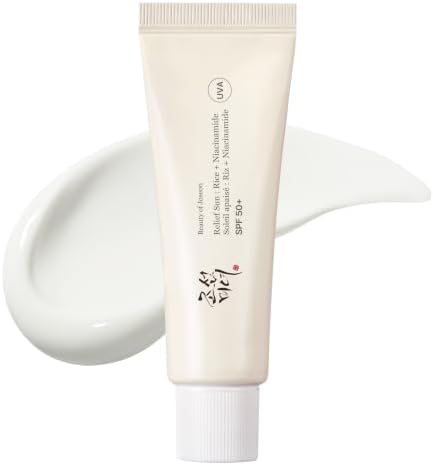
Here's the part that surprises people: darker skin tones can still be affected by UV. Sun exposure can deepen existing dark marks and slow down fading. So SPF matters, even if you rarely burn. Look for formulas that don't leave a white cast, such as tinted or lightweight gel options.
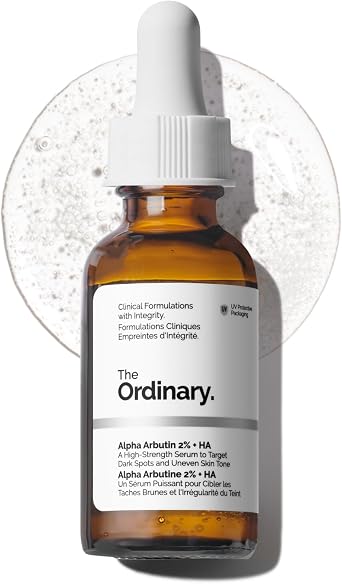
Gentle is the goal. Harsh scrubbing, picking and over-exfoliating can cause more pigment. Ingredients often used include azelaic acid, niacinamide and vitamin C. Introduce them slowly and patch test first.
For stronger treatments like peels or lasers, see a professional experienced with darker skin tones.
Progress with pigmentation is slow, so photos help. In Home of Skin, your skin journal lets you take regular check-ins, note what you're using, and see change over time.
Start your journal for free at homeofskin.app.